Expert advice, market reports, and tips from the Niagara Region real estate professionals.
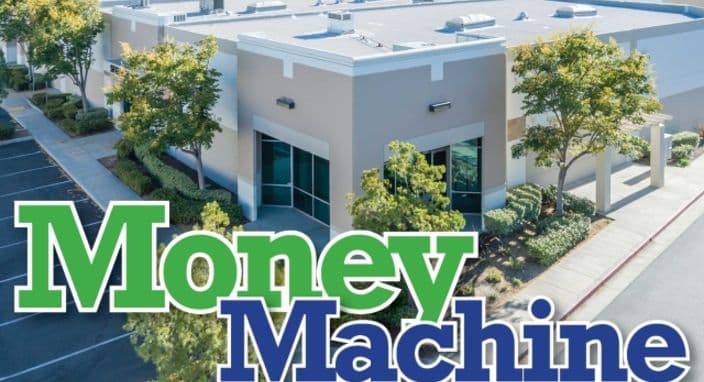
Last issue we looked at building your investment portfolio and saw that a great way to do so was to mix up the type of properties that you invest in. We began by looking at single-family homes, semi-detached and multi-family buildings such as duplexes, triplexes, and beyond. A good investment portfolio will contain a mixture of these types of properties to be sure. But there are a couple of other types of properties that should be considered. Condominium and commercial properties.
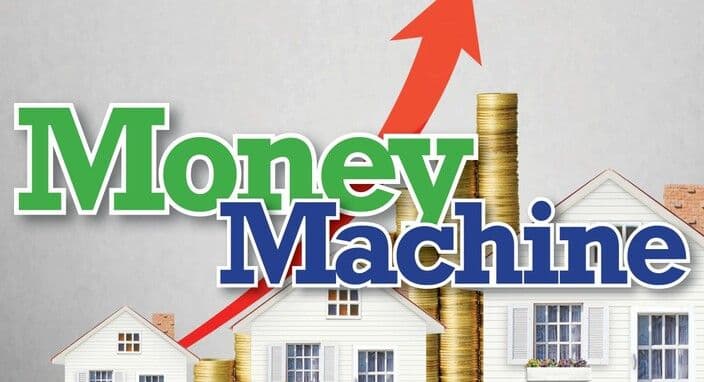
If you’ve ever taken one of my Money Machine Seminars, you’ll know I espouse a very simple plan for real estate investment: Buy one property a year for 10 years, never amortize for more than 15 years and never sell. A good many of you have over the years followed that simple plan, and in fact have gone far beyond that 10-property template. The first one or two properties are by far the hardest to acquire. It gets simpler as you go along. Your equity grows. Financing gets simpler. And quite frankly growing your portfolio gets addictive. But it raises the question, especially when you are just getting started of what to buy.

People often ask “can you sell a property that does not comply with current fire retrofit requirements?” The simple answer to that is yes, the building can be sold, but it is important that the buyer be aware of what he is getting and the possible ramifications that can arise down the line if the deficiencies are not identified and remedied.

When we talk real estate investment, especially Commercial and Industrial real estate investment, there are a lot of factors at play when determining value. There is interest rate, and tied in with that there is rate of inflation. There is capital appreciation one can expect over time and of course there is net rent, or return on investment. And in some ways ‘cap’ rate ties it together.


If there were one and only one principal and practice that I could instill into the hearts and minds of real estate investors, it would be this. Learn to delegate. In fact in my Money Machine Seminars I tell attendees “if you are a plumber for example and have rental properties, when you get a call from a tenant complaining about a tap dripping call a plumber, don’t be the plumber.” Most people don’t get this. They don’t follow that bit of advice. And that fact, more than anything else, is what causes investors to throw in the towel and give up on being a landlord.

In our last article on the Money Machine appearing in April’s Market Trends Newsletter, we began a series of Best Practices designed to help you manage your real estate investment portfolio successfully. The goal as always is to reach the finish line with a number of investment properties (at least 10) fully paid for, and provide you with an abundant cash flow into retirement.
In the last issue of our Market Trends newsletter under The Money Machine, we looked at four forces at work that could derail your plans to build an investment portfolio. And we talked about ways you could protect yourself from that happening.
There are a lot of instructional sources these days for investing in real estate. Some are encouraging the participation in a particular project. Others are claiming to show you how to spot opportunities in the marketplace where you can buy below market value. Still others want to show you how to ‘fix and flip’.

Last month we took a look at expenditures you might make on your investment properties in the way of repair, maintenance and upgrades, and we saw that those costs could be handled in one of two ways, depending on the nature of the work done. They could either be expensed or they could be capitalized. Expensed, we saw resulted in a dollar-for-dollar deduction against income, while capitalized items would add to the capital cost of the property. And that capital cost, could if you so chose, be depreciated over time. Today I’d like to look at that whole issue of depreciation.